
Airport Transfer Versus Rental Car: Which Fits?
November 12, 2026
12 Best Airport Transfer Features to Look For
November 16, 2026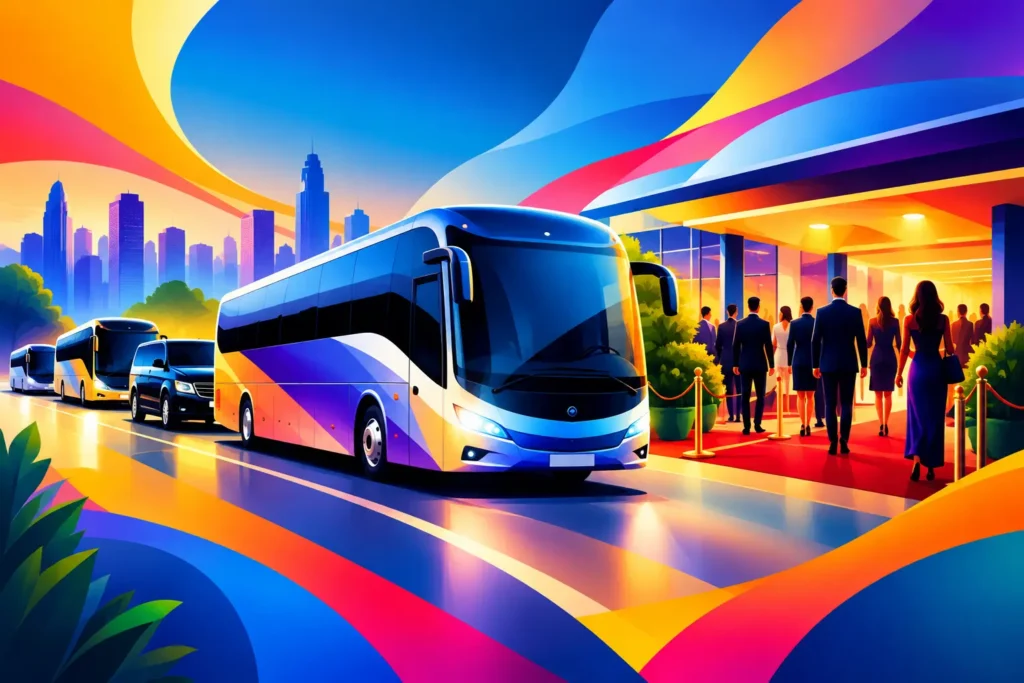
A gala can begin at 7:00 p.m., but the guest experience begins much earlier: with the vehicle that arrives at the curb, the chauffeur who knows the entrance, and the confidence that no one is left wondering where to go. To manage event transportation well, planners need more than a collection of cars. They need a coordinated travel plan that respects timing, guest comfort, security, and the reputation of the host.
For a corporate dinner, wedding, concert suite, charity event, or private celebration in the New York metro area, transportation is often the one detail every guest experiences firsthand. A polished arrival creates momentum. Delays, unclear pickup instructions, or an undersized vehicle can distract from even the most carefully planned occasion.
Start With the Guest Journey, Not the Vehicle
The right transportation plan starts by mapping how people will move, not by selecting the most impressive vehicle on the fleet list. Ask where guests are coming from, when they need to arrive, whether they will travel in groups, and where they will need to go afterward. A single venue may have several distinct transportation needs.
An executive group may need airport pickups followed by hotel transfers and an evening dinner. A wedding may require separate transportation for the couple, wedding party, family members, and guests returning from the reception. A private event at a Manhattan venue may call for staggered pickups because parking and curb access are limited.
Build the plan around each group’s experience. Solo executives may prefer a discreet luxury sedan or Mercedes-Benz S-Class vehicle. Families with luggage and children may be best served by an SUV with certified child seats arranged in advance. Larger groups often benefit from Sprinter vans, stretch limousines, or party buses that keep everyone together and reduce the number of arrivals to coordinate.
The goal is not to put every guest in the same type of vehicle. It is to give every guest the right level of space, comfort, and support for the trip they are taking.
How to Manage Event Transportation With a Real Timeline
Event transportation is a timing exercise, but the schedule should have room to breathe. In New York City and throughout the tri-state area, traffic, venue loading rules, weather, construction, and airport congestion can shift quickly. A plan built to the exact minute can become fragile before the first guest leaves home.
Work backward from the required arrival time. Include time for vehicle staging, guest boarding, travel, venue access, and a sensible buffer. For high-profile guests, speakers, wedding parties, or anyone working against a fixed program start, it is wise to schedule an earlier arrival than strictly necessary. Waiting in a comfortable vehicle or venue lounge is far better than entering a ballroom after the program has begun.
Airport arrivals deserve their own timeline. Flight tracking allows a transportation team to adjust for early landings and delays, but flight time is only part of the equation. Guests may need to deplane, collect baggage, clear customs, or navigate a busy terminal. Meet-and-greet service is especially valuable for international travelers, first-time visitors, senior guests, and executives who need a clear, personal handoff from terminal to vehicle.
For a multi-stop corporate itinerary, identify the nonnegotiable moments: the first meeting, the presentation, the client dinner, and the final airport departure. Then plan realistic transit windows between them. An hourly charter can be the better choice when schedules may change, because the vehicle and chauffeur remain available rather than requiring a new pickup for every adjustment.
Match Fleet Capacity to the Actual Group
Capacity planning is where transportation often goes wrong. Passenger count alone is not enough. Luggage, formalwear, mobility needs, child seats, golf bags, presentation materials, and the desire for guests to ride together all affect the right vehicle choice.
A luxury SUV can be ideal for a small group with airport luggage, while a Cadillac Escalade or Chevrolet Suburban offers additional room and a commanding Executive Class arrival. A Sprinter van may be more practical for six to 14 guests traveling to the same venue. For celebratory groups, a stretch limousine or party bus can make the journey part of the occasion.
Do not assume a vehicle’s maximum passenger count is comfortable for every trip. A van that works well for a short transfer with light bags may feel crowded on a longer airport run with full-size luggage. Be candid about the group, the bags, and any special requirements when booking. A reputable provider should help shape the right vehicle mix rather than push a one-size-fits-all answer.
It can also be smart to separate guest groups. For example, placing the wedding party in one vehicle and immediate family in another can simplify pickups and give each group enough room. For a corporate event, transporting senior leadership separately may offer privacy and flexibility if their schedules change.
Give Guests Clear, Simple Instructions
Even the best chauffeur cannot solve confusion caused by vague pickup details. Guests should receive practical instructions before travel day: their pickup window, address, entrance, contact number, vehicle description, and what to do if their plans shift.
Keep the message short and specific. If the pickup is outside a hotel, state which entrance. If the event is at a venue with multiple doors, identify the correct one. If guests are being collected after a concert or sporting event, choose a meeting point that is realistic and permitted, rather than relying on an address surrounded by street closures and crowds.
A central point of contact is equally important. This may be an executive assistant, event planner, family member, or designated transportation coordinator. That person should have the final itinerary, guest list, and a way to reach live dispatch when needed. Guests should not be expected to negotiate last-minute logistics among themselves.
Plan for Changes Before They Happen
Transportation plans need contingencies because events do not always follow the original agenda. A dinner can run long. A keynote speaker can finish early. Rain can slow guest boarding. A flight can arrive two hours late. The solution is not to predict every disruption. It is to work with a provider equipped to respond calmly when plans move.
Look for 24/7 live dispatch, professional chauffeurs, flight monitoring, and a fleet broad enough to support substitutions when necessary. These details matter most when a change happens at an inconvenient hour or during a busy weekend. A company that relies only on automated confirmations may be adequate for a straightforward ride, but complex events benefit from human oversight.
Budgeting also deserves a realistic approach. Flat-rate airport pricing can make costs easier to forecast and protects travelers from surge pricing during high-demand periods. Hourly service may cost more than point-to-point bookings on paper, yet it can offer better value for roadshows, weddings, and itineraries with uncertain end times. The right option depends on how fixed the schedule truly is.
Put Safety and Hospitality on the Same Level
Luxury is not just leather seating or a spotless exterior. For event transportation, it is the assurance that guests are in capable hands. Licensed, background-checked chauffeurs, properly maintained late-model vehicles, and attentive service are foundational, particularly when transporting executives, children, wedding guests, or guests who may be unfamiliar with the area.
Hospitality shows up in the details. A chauffeur who assists with luggage, confirms the destination, accommodates a child seat, and provides a calm welcome after a long flight changes the tone of the trip. For hosts, that care reflects directly on the event itself.
All Comfort Limousine coordinates these details across the tri-state region with chauffeur-driven sedans, SUVs, vans, limousines, and buses, supported by live dispatch for the moments when an itinerary needs attention rather than an automated reply.
Treat Departure as Part of the Event
The final departure is easy to overlook, especially after a successful evening. Yet it is often the point when guests are tired, weather conditions have changed, and street access is busiest. Confirm return pickups before the event begins, including where each vehicle will stage and whether departures will be rolling or scheduled in waves.
For weddings and celebrations, a planned late-night departure for the hosts or couple provides a composed finish. For corporate functions, staggered return service can accommodate guests leaving after different conversations or client obligations. If alcohol is served, professional chauffeured transportation also gives hosts a responsible, comfortable option for getting guests home or back to their hotels.
The most memorable event transportation does not call attention to its logistics. Guests simply feel expected, comfortable, and well cared for from their first pickup to their final drop-off. That is the standard worth planning for.